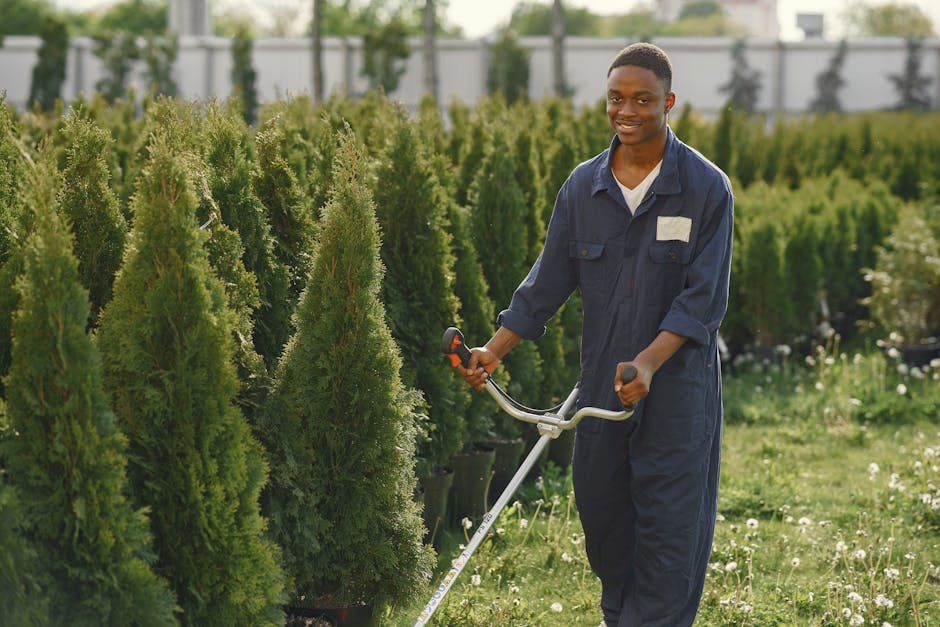
Gardening Services in Camden

Gardening Services Camden provides practical help with keeping outdoor spaces tidy, usable and well-shaped across the area. Our work covers routine garden maintenance, lawn care, hedge trimming, garden clearance and related outside tasks that keep domestic and commercial grounds in good order. If you need a regular visit or a one-off job, we focus on clear, workable gardening support that matches the space in front of us rather than offering a one-size-fits-all approach.
Many gardens need a mix of attention rather than a single task. A lawn may need mowing and edging, shrubs may need shaping, and borders may need weeding or seasonal tidying. We also handle heavier clearances where overgrowth, debris or unwanted green waste has built up. To make the process straightforward, it helps to share the size of the area, the main jobs you want done and any access points that matter before you request a quotation. If you are comparing options, the services overview is a useful place to begin.
Our aim is to make the outside space easier to use and easier to look after. That can mean restoring order after a period of neglect, keeping on top of regular growth, or setting a simple maintenance pattern that suits the property. When you are ready to discuss what needs doing, you can request a quotation with the details that best describe the work.
Garden maintenance for ongoing care
Regular garden maintenance is often the most effective way to keep a site manageable through the year. It can include mowing, trimming, weeding, edging, deadheading and clearing away light garden waste. Rather than waiting for larger problems to build up, a planned maintenance visit keeps the space presentable and reduces the amount of catch-up work needed later. This is especially helpful where lawns, borders and planted areas all need different levels of attention.
Our maintenance work can be tailored to the condition of the garden. Some spaces mainly need tidy finishing after growth has surged, while others benefit from a steady routine that keeps paths clear and planting areas under control. If you are deciding what level of help you need, think about whether the priority is appearance, accessibility, plant care or a combination of all three. Garden maintenance is a sensible starting point when the garden needs repeat attention rather than a single large intervention.
When preparing an enquiry, it is useful to note whether the job is a one-off tidy or part of a regular schedule. A simple list of the main areas to be worked on can help set expectations clearly. You do not need to write a long brief; a few concise details are usually enough to help shape a sensible quotation.
Lawn mowing and clean finishing

A lawn can change the overall look of a garden quickly, so mowing and finishing are often central to the wider service. We can work on overgrown grass, regular mowing routines and the tidy edge work that gives lawns a sharper outline. Where appropriate, the job may also include clipping removal and light finishing around borders, paths and hard edges so the lawn reads as part of the whole garden rather than a separate patch.
The right approach depends on the condition of the turf and how the garden is used. Short, frequent mowing suits well-kept lawns, while longer grass may need a more careful first cut and staged reduction. In some cases, the job is less about achieving a perfect ornamental finish and more about making the space walkable, manageable and presentable. You can read more on the lawn mowing page if that is your main concern.
Useful details to include with a quote request are the approximate lawn size, whether the grass is currently long, and whether there are awkward edges or obstacles to work around. That information helps set a realistic scope. It is also helpful to say whether you want the cuttings removed or left in place, as the choice can affect the overall task.
Hedge trimming and boundary shaping
Hedges often need both neatness and judgement. A light trim can maintain a clean line, while a more extensive cut may be needed where growth has become uneven or bulky. We can help with hedge trimming that improves the shape of the boundary, opens up light where needed and keeps the outside of the property looking looked after. This kind of work can also support visibility and access along paths, drives and edges.
Different hedges call for different methods, so the aim is to respect the plant while giving it a controlled finish. Some are best reduced carefully to avoid leaving bald patches, while others need a straightforward tidying pass to remove unruly growth. If the hedge forms part of a boundary or screens a seating area, a cleaner profile can make a noticeable difference to the overall garden layout. See the hedge trimming page for a more direct service description.
For larger or more established hedges, it helps to mention height, length and whether access is available from one side or both. That allows the work to be approached in a practical way. A brief note about whether the hedge is mainly decorative, enclosing or screening can also help identify the right level of trimming.
Garden clearance for overgrown or neglected spaces
Garden clearance is the part of the service that deals with spaces that have become heavy, cluttered or difficult to use. It may involve removing dense growth, cutting back tangled vegetation, gathering loose material and clearing the sort of accumulated debris that prevents a garden from being enjoyed properly. This work is often useful before further maintenance, planting or redesign takes place.
Clearance is different from a light tidy because it starts with the condition of the site rather than a routine schedule. Some gardens only need a reset after a period of neglect, while others include mixed waste, fallen material or access that is partially blocked by overgrowth. Where the job is substantial, the most helpful approach is usually to separate the work into manageable sections so that the space can be brought back under control with care. The garden clearance page sets out that service in more detail.
When requesting a quote, mention whether the job is focused on vegetation, loose waste or both. If there are narrow access routes, shared entrances or areas that need to be left undisturbed, say so at the start. That makes it easier to judge the practical side of the work and avoids unnecessary assumptions.
Landscape gardening and reshaping outdoor space
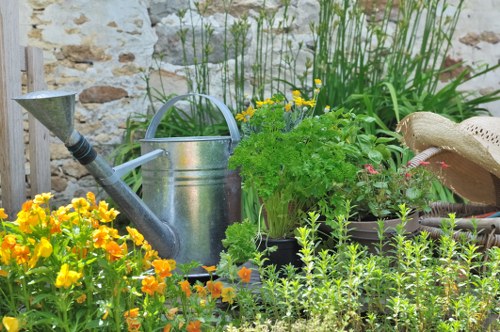
Landscape gardening brings a broader approach to improving how a garden works as a space. It can include rethinking planting areas, defining borders, refreshing tired sections and creating a more structured layout. Where a garden feels disconnected or underused, this type of work helps bring the elements together so the space feels more coherent. It is less about a single quick task and more about building an outdoor area that has a clearer shape and purpose.
Some projects focus on small changes, such as adjusting the balance between lawn and border, while others involve a more noticeable redesign. Useful choices often depend on how much maintenance the owner wants to manage afterwards, what the garden already contains and how the space is likely to be used. If you want to explore the wider scope, the landscape gardening page is the best fit. For structural hard landscaping work, the separate landscaping page provides another relevant route.
Good planning usually begins with a realistic look at what should stay, what should be simplified and what should be replaced. A garden can often be improved without starting from nothing, but each project benefits from clear priorities. Simple decisions about layout, access and maintenance level can make the final result easier to live with over time.
About Camden
Camden in north London is an inner borough known for its dense urban grain, varied housing and strong mix of residential, commercial and cultural uses. The area takes its name from Camden Town, which grew around the late eighteenth-century development of the Regent’s Canal and later became closely associated with transport links, markets and entertainment. The borough itself was formed in 1965 from the former metropolitan boroughs of Hampstead, Holborn and St Pancras, and its streets still reflect those older districts in their architecture and street pattern. At the southern end, Bloomsbury brings large civic squares, university buildings and literary associations, while Hampstead in the north has a more village-like character with Georgian and Victorian streets, conservation areas and open spaces. Between them lie busy corridors such as Kentish Town, King’s Cross and Camden Town, each with distinct layers of housing, retail and movement. The borough contains a remarkable spread of landmarks, from the British Museum and the British Library to Camden Market, the Royal Free Hospital and the campuses around Euston and Bloomsbury. Public open spaces are an important part of local life, including Regent’s Park on the edge of the borough, Primrose Hill with its broad views, and the Heath’s extensive grassland and woodland to the north-west. The Regent’s Canal threads through parts of the area, linking waterside paths, bridges and former industrial land now used for leisure and housing. Large institutions, terraces, mews, post-war estates and modern developments sit side by side, giving Camden a layered urban character that is both busy and historically rich.
Pricing factors and clear quotations
Garden work is usually priced according to the tasks involved, the size and condition of the area, access, waste handling and any special requirements tied to the site. A quick tidy, for example, is not the same as a full clearance or a job that needs repeated cutting, lifting and removal of material. The more clearly the work is described, the easier it is to set a sensible quotation that reflects the actual labour needed. You can also look at pricing and quotes for a general overview of how enquiries are handled.
When comparing service options, it helps to think beyond the headline task and consider the whole job. A hedge trim may also require cuttings to be collected; a mowing visit may need edging; a clearance may involve sorting and removal. Those details are not extras to mention later, because they shape the scope from the start. If your garden includes mixed areas with different needs, a quote request can outline each part separately so the work is easier to assess.
For a smooth enquiry, try to keep your notes focused on the facts that affect the work: approximate size, the current state of the garden, any access restrictions and whether waste should be taken away. That is usually enough to move the conversation forward without overcomplicating it. A clear brief saves time for both sides.
How we handle garden waste and site care
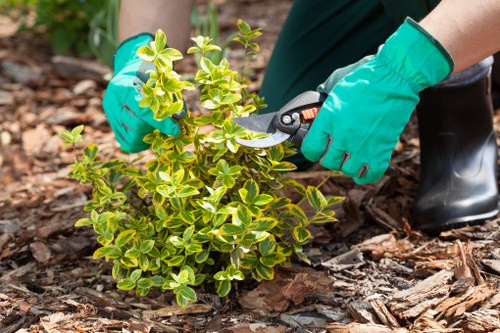
Garden jobs often create waste that needs to be managed properly, especially after pruning, mowing or clearance work. Where removal is part of the service, the aim is to leave the space orderly and avoid leaving loose material behind. Depending on the nature of the work, this can include green waste, cuttings and other garden debris produced during the visit. The practical detail matters because a tidy finish is often what makes the job feel complete.
For customers who are thinking about longer-term upkeep, it can be helpful to think about how much waste is created each time the garden is visited. Regular maintenance usually produces lighter debris, while neglected spaces tend to generate more material in one go. If sustainability is something you wish to consider, the recycling and sustainability page explains the relevant approach more directly. Insurance and safety is also worth reviewing when you want to understand the wider service standards.
The important point is that the work should be organised around the site, not the other way round. Paths, gates, narrow side access and fragile planting all influence how the job is carried out. A little planning at the enquiry stage can make the physical work smoother and reduce the chance of avoidable disruption.
Useful ways to prepare a quotation request
A good quotation request does not need to be long, but it should be clear. Start with the main task, then add the practical points that shape the work. If there are several areas involved, list them in the order you would like them addressed. This is especially useful when a garden needs a mix of mowing, trimming and clearing rather than one isolated job. The contact us page is the right place to begin that conversation.
Helpful information often includes the size of the area, the present condition, how easy it is to reach and whether you want waste removed. If there is a boundary hedge, a patch of long grass or a heavily overgrown section, say so plainly. It is also sensible to mention any surfaces, planting or features that need care around them. That kind of detail supports a more accurate quotation without turning the enquiry into a long explanation.
Two brief reminders are often enough: explain what needs doing, and note anything that affects access or waste. After that, the next step is usually simple. If the work sounds suitable, send the details through and ask for a quotation in plain terms. You do not need to overstate the job to make it clear.
Start with the service that fits your garden
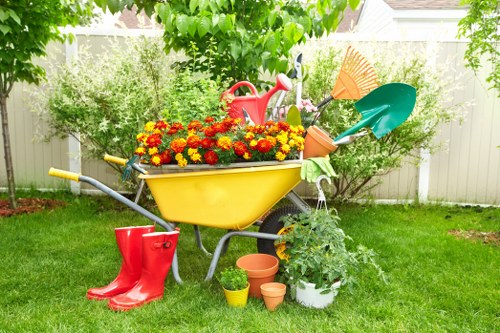
Whether the priority is a tidy lawn, controlled hedge growth, regular upkeep or a more substantial clearance, the service can be matched to the condition of the garden and the outcome you want. Some customers need a practical reset; others want a repeat pattern that keeps everything under control across the seasons. Either way, the focus stays on usable gardening work that is straightforward to plan and easy to discuss.
If you are unsure which service to choose, begin with the main issue and work from there. Overgrown grass suggests mowing or maintenance, uneven boundaries suggest hedge trimming, and a cluttered or neglected space points towards clearance before anything else. When you are ready to move ahead, you can request a quotation by giving the key details of the site and the result you want to achieve. For broader context, the about us page offers general background.
Tell us what needs attention, mention any access issues, and ask for a quotation in your own words. That is often the quickest way to get a useful response and decide whether the work is best handled as a one-off visit or part of a longer plan.