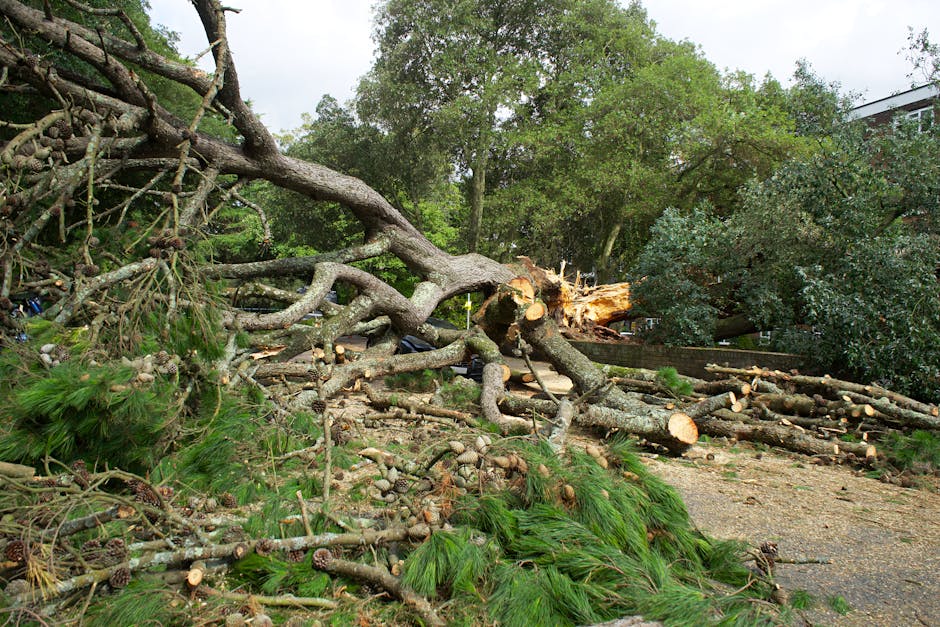
Same day gardeners for emergency tree work Camden NW1: fast local help when trees become a problem
When a tree starts leaning after a storm, a heavy branch cracks over a path, or a root plate shifts and makes everything feel suddenly unsafe, you do not really want a long wait. You want someone who can turn up, assess the risk, and deal with it properly. That is exactly where same day gardeners for emergency tree work Camden NW1 come in.
This kind of urgent service is about more than "getting it done quickly". It is about making a site safe, reducing damage, and helping you make calm decisions when the situation is a bit messy. Camden has plenty of tight access, busy streets, back gardens, courtyards, and shared boundaries, so a fast response has to be practical as well as prompt. In other words, you need speed, but you also need judgement. Truth be told, that balance is what separates a decent emergency visit from a stressful one.
In this guide, we will cover what emergency tree work involves, how a same-day visit usually works, what to expect on site, and how to choose a provider you can trust. We will also look at safety, compliance, common mistakes, and a few real-world scenarios that come up all the time in NW1.
Expert summary: If a tree is posing an immediate risk, the first goal is always safety. The second is to stabilise the situation without making rushed decisions you will regret later.
Table of Contents
- Why Same day gardeners for emergency tree work Camden NW1 Matters
- How Same day gardeners for emergency tree work Camden NW1 Works
- Key Benefits and Practical Advantages
- Who This Is For and When It Makes Sense
- Step-by-Step Guidance
- Expert Tips for Better Results
- Common Mistakes to Avoid
- Tools, Resources and Recommendations
- Law, Compliance, Standards, or Best Practice
- Options, Methods, or Comparison Table
- Case Study or Real-World Example
- Practical Checklist
- Conclusion
- Frequently Asked Questions
Why Same day gardeners for emergency tree work Camden NW1 Matters
Tree emergencies are rarely tidy. A branch can come down in wind and rain, a tree can split at the stem, or a crown can hang precariously over a walkway. In Camden NW1, where gardens are often compact and access can be awkward, even a fairly small tree issue can quickly become a bigger safety concern than it first looks.
The main reason this service matters is simple: time. A damaged tree may be unstable, and the longer it is left in place, the more chance there is of further breakage, obstruction, or injury. It can also block access to a driveway, shed, shared garden, rear alley, or path used by neighbours. If a branch is pressing on a fence, greenhouse, extension roof, or parked vehicle, the situation can move from inconvenient to urgent very quickly.
Let's face it, nobody plans for emergency tree work. Most people only search for it once something has already gone wrong. That is why the best same-day gardeners bring calm, practical support rather than a sales pitch. They should help you understand whether the issue is immediately dangerous, whether it can be made safe quickly, and whether more considered tree surgery can wait for another day.
There is also a real trust element here. Emergency situations often make people vulnerable to poor workmanship or rushed decisions. A reliable team will explain what they can safely do right away, what should be left until proper access or permissions are sorted, and what the next steps should be. That kind of clarity matters, especially in a busy part of London.
If you want to understand the wider service picture before an urgent callout, it can help to review the company's services overview and learn more about the team behind the work.
How Same day gardeners for emergency tree work Camden NW1 Works
A proper same-day emergency visit usually follows a pretty clear pattern, even if the situation itself feels chaotic. The first step is usually a phone call or enquiry where you explain what has happened: fallen branches, a leaning trunk, roots lifting, or maybe a tree touching a structure. Photos are helpful, but not essential if the issue is obvious and urgent.
The key thing is that the team is trying to understand risk before arriving. Is the tree currently stable? Is it blocking access? Is there overhead danger from power lines, although be careful there and never approach a line yourself? Are people or pets nearby? These details help the gardener prepare the right tools and the right level of response.
Once on site, a competent operative will usually carry out a quick visual assessment. That may include looking at the angle of lean, the condition of the stem, broken limbs, root movement, and whether the area beneath the tree can be made safe. In an emergency, the first job is often to remove only the dangerous material, not to fully dismantle everything on the first visit. That sounds obvious, but it is where rushed jobs sometimes go wrong.
In practical terms, same-day tree work might involve:
- removing snapped or hanging branches
- clearing fallen timber from paths, driveways, or access points
- reducing unstable weight in a damaged crown
- sectionally dismantling a tree that can no longer stand safely
- making the area safe for residents, neighbours, or passing pedestrians
- advising on follow-up work if the tree needs further assessment
In some cases, the gardener will need to decide that the safest response is to cordon off the area and return with more equipment. That is not a failure. It is a sensible call. Emergency work should never be about pretending to be a hero with a saw. Nobody needs that energy, honestly.
If you are worried about how a visit is handled, it is worth checking the provider's insurance and safety information and their health and safety policy before you book.
Key Benefits and Practical Advantages
The obvious benefit is speed, but the real value goes deeper than that. Same-day support can stop a small issue from becoming an expensive one. If a branch is rubbing a roof, for example, same-day removal may prevent additional water ingress or broken tiles. If a tree is partially blocking a gate, prompt action may restore access before school runs, deliveries, or neighbour disputes start piling up.
Another major benefit is reduced uncertainty. When a tree looks unsafe, people tend to imagine the worst. A fast visit gives you a professional view of what is actually happening. Sometimes the tree is more stable than it looks. Sometimes it is worse. Either way, you get facts instead of guesswork, which is a relief in itself.
There is also a courtesy factor in built-up areas like Camden. Shared spaces, narrow plots, and party boundaries can make a tree issue affect more than one household. A quick response helps limit disruption for everyone involved. That matters when neighbours are already dealing with noise, weather, or limited parking. You know the kind of day it is: one fallen branch and suddenly three households are involved.
Here are the practical advantages in plain English:
- Faster hazard reduction in a situation that may be changing by the hour
- Lower risk of secondary damage to roofs, fences, cars, and garden structures
- Better access for residents, tradespeople, and emergency services if needed
- Clearer decision-making because you get an on-site assessment quickly
- Less stress during weather-related incidents, which often happen at awkward times
For many customers, cost is part of the conversation too. Emergency work can be priced differently from routine maintenance because of urgency, timing, staffing, and complexity. If you want to compare options before committing, the company's pricing and quotes page is a sensible place to start.
Who This Is For and When It Makes Sense
This service is for anyone dealing with a tree-related issue that cannot safely wait. That might be a homeowner, landlord, tenant, letting agent, property manager, or business owner with a garden, yard, or frontage in NW1. It also comes up a lot in shared residential settings where one tree affects multiple properties, which can make decision-making a bit of a dance.
It makes sense to call for same-day help if you notice one or more of these signs:
- a tree leaning noticeably more than before
- large branches cracked but still attached
- fresh root movement or lifted soil around the base
- major debris blocking access routes
- branches pressing on a building, fence, or conservatory
- damage after high winds, heavy rain, or snow
- signs that the tree is unstable and could drop more material
Sometimes the issue is not the tree itself, but what it is doing around it. A broken limb over a neighbour's patio, or a half-fallen tree hanging into a communal alley, can be enough reason to act. You do not need to wait for a dramatic collapse before taking it seriously. In fact, waiting is often what makes it more awkward.
On the other hand, not every tree concern is an emergency. A leaf drop, minor pruning need, or long-term reshaping job can often be scheduled properly. If the tree is stable and not posing immediate harm, it may be better to arrange planned work rather than insist on same-day attendance. That kind of judgement saves money and avoids unnecessary disturbance.
If you are unsure which category your situation falls into, a quick enquiry through the contact page is usually the right first move.
Step-by-Step Guidance
If you are dealing with urgent tree work for the first time, having a simple process helps. Panic loves vague situations. A tidy sequence of actions helps cut through that, and fast.
- Keep people away from the hazard. If there is broken timber, a leaning trunk, or hanging branches, move away and keep children, pets, and visitors clear.
- Look, but do not poke. You can observe from a safe distance, but avoid trying to pull branches down or inspect roots closely if the tree looks unstable.
- Take a few photos from afar. This helps the gardener understand access and urgency before arriving.
- Explain what happened. Was it wind, a vehicle impact, a split trunk, or an old tree that suddenly changed shape?
- Ask what can be done today. A good provider should be clear about emergency make-safe work versus follow-up work.
- Confirm access details. Think gates, side passages, parking, neighbours, key collection, and any restricted entry points.
- Check safety and payment details. Serious providers should be able to explain how they work and what terms apply.
- Stay available for decisions. Emergency jobs often require quick judgement on site, especially if the tree is unsafe to fully remove immediately.
One small but useful tip: if the issue affects a shared boundary, tell the neighbour early if you can do so safely and calmly. It avoids that slightly awkward "why is a tree person in the garden?" moment later in the day.
For people who want a cleaner understanding of how services are arranged, the company's services overview and terms and conditions can help set expectations before work begins.
Expert Tips for Better Results
Emergency tree work goes smoother when the customer and the gardener are both clear about the problem. That sounds basic, but it makes a real difference. Here are a few tips that often help in Camden NW1.
- Be specific about the risk. Say whether the tree is blocking access, touching a roof, or hanging over a public-facing area.
- Share the access reality. Narrow side return? Locked communal gate? No rear entry? Say it up front.
- Do not ask for unnecessary work in the moment. Emergency visits should focus on safety first. Cosmetic pruning can wait.
- Keep pets and residents indoors if possible. Chainsaws, wood chips, and falling debris are not a nice mix with curious animals.
- Ask how waste will be handled. You do not want a pile of timber left in the one spot you still need to use.
- Check whether the team can document the issue. A few notes or photos of the make-safe work can be useful later.
Another good habit is to ask what happens after the emergency is resolved. Sometimes a tree needs a follow-up inspection, further reduction, or removal on a separate visit. If the team explains the next step clearly, that is usually a sign they know what they are doing.
You may also want to ask about responsible disposal of arisings. If sustainability matters to you, see the company's recycling and sustainability information. A tidy site and sensible waste handling are not glamourous, but they matter more than people think.
Common Mistakes to Avoid
Emergency tree situations can make sensible people do slightly daft things. It happens. The main thing is not to make the situation worse by trying to fix it yourself in a hurry.
Common mistakes include:
- Standing too close to check the damage from underneath a hanging branch
- Trying to pull or cut unstable timber without the right tools or training
- Assuming all tree work can be done immediately without checking safety or access
- Hiring the first person available without asking about insurance or approach
- Ignoring minor movement because the tree has "looked like that for years"
- Forgetting neighbours when the tree issue crosses boundaries or shared areas
One particularly common mistake is confusing "fast" with "careless". Those are not the same thing. A reliable emergency gardener should be fast to respond, yes, but slow enough in judgement to keep people safe. If someone seems too casual about a clearly unstable tree, that is your cue to pause.
Another misstep is not clarifying costs early. Emergency work can be more complex than routine maintenance, especially if the tree is large, access is limited, or extra safety measures are needed. Being open about that at the start keeps everyone on the same page.
Tools, Resources and Recommendations
Good emergency tree work depends on using the right equipment for the job, but the tools themselves only matter if they are used carefully. The exact kit will vary, yet you would typically expect an experienced team to arrive prepared for cutting, lifting, securing, clearing, and safe removal of debris.
Useful on-site tools and resources may include:
- chainsaws and hand saws for controlled cutting
- ropes and lowering equipment for safe branch handling
- barriers or tape for restricting access to risky areas
- protective clothing and eye protection
- vehicles or trailers for removal of arisings
- basic assessment notes or photos for follow-up planning
For the customer, the most useful "resource" is often information. Have the location, access details, and a brief description of the problem ready. If there are shared entrances, parking restrictions, or any known hazards, say so. Camden streets can be straightforward one minute and a logistics puzzle the next, especially when parking is tight and access is through a narrow passage at the back. A bit of forewarning helps a lot.
It may also be helpful to keep the provider's service and trust pages handy. The following pages are often relevant when you want reassurance before booking: about us, insurance and safety, payment and security, and complaints procedure. Nobody wants to need the last one, but it is reassuring to know it exists.
Law, Compliance, Standards, or Best Practice
Emergency tree work can touch on safety, property rights, boundaries, and in some cases protected trees or conservation constraints. You do not need to become a legal expert overnight, but you do need to know that some situations require more care than a quick cut-and-clear job.
Good practice in the UK usually means the work should be carried out by people who understand tree safety, worksite risk assessment, and how to avoid creating new hazards while removing the old ones. If there is any doubt about ownership, boundary lines, or whether permission may be needed before non-urgent work, it is wise to pause and get the facts. Emergency make-safe work and routine tree reduction are not always treated the same way in practice, so the context matters.
Best practice also means clear communication about insurance, safe access, waste removal, and the scope of the visit. If a company is reluctant to discuss those basics, that is not a great sign. You want someone who can explain what they will do today, what they are not doing today, and why.
For many customers, another trust signal is how a company handles privacy, payments, and service terms. That is why pages like privacy policy and terms and conditions matter even in an emergency context. They are not exciting reading. Nobody is framing them on the wall. Still, they show the business is organised.
If your property is part of a managed block or a rented home, you may also need to check with a landlord, agent, or managing party after the immediate safety issue is addressed. That way the emergency fix does not create a paperwork headache later. A bit dull? yes. Necessary? also yes.
Options, Methods, or Comparison Table
Not every urgent tree issue needs the same response. Sometimes the right move is a simple make-safe visit. Other times, the tree needs more substantial work. Here is a practical comparison that may help.
| Approach | Best for | Typical outcome | When it is sensible |
|---|---|---|---|
| Make-safe visit | Hanging branches, partial collapse, immediate access issues | Danger reduced quickly; area stabilised | When the main goal is to remove urgent risk |
| Sectional dismantling | Unstable trees, tight access, trees near buildings | Tree removed in controlled sections | When a full takedown is needed but space is limited |
| Selective pruning or reduction | Storm damage, imbalance, overloaded limbs | Weight reduced and structure improved | When the tree can be retained safely |
| Temporary cordon and reassessment | Very unstable trees or unsafe working conditions | People kept clear until proper action is possible | When immediate cutting would be unsafe |
In practice, the best method is the one that solves the immediate problem without creating a second one. That is the whole game, really.
Case Study or Real-World Example
Here is a realistic example from the kind of situation that crops up in NW1 without warning.
After a windy night, a resident notices that a mature branch in the rear garden has split and dropped across a shared path. It is not completely detached, but one side is hanging at an odd angle and brushing against the fence. The path is narrow, so people have been stepping around it, which is not ideal. There is also a shed nearby, and the resident is worried the branch could shift again if the wind picks up.
The same-day callout begins with a few photos and a quick explanation of access. On arrival, the gardener checks whether the branch can be safely secured and removed in sections. The first task is to make the path safe. The second is to reduce the chance of more movement. The team then clears debris, stacks the cut wood neatly, and confirms whether the remaining tree can be left in place until a fuller inspection is arranged.
What went well? The issue was reported early, no one tried to drag the branch free, and the access details were shared in advance. What could have gone badly? If someone had tried to cut the hanging section from the ground without support, it could have dropped unpredictably. That sort of thing can go sideways very fast.
This is the point, really: emergency tree work is often less about dramatic tree-felling and more about careful, practical problem solving under pressure. A good same-day gardener keeps the situation contained, leaves the site safer, and helps you breathe again.
Practical Checklist
Use this checklist if you are arranging urgent help in Camden NW1:
- Keep everyone away from the damaged tree or branch
- Do not attempt DIY cuts on unstable timber
- Take safe-distance photos if possible
- Note the exact location and access route
- Share whether paths, roofs, fences, or vehicles are affected
- Ask whether the situation needs same-day make-safe work or planned follow-up
- Confirm insurance and safety details before work begins
- Check how waste will be removed or stored
- Ask about any follow-up inspection or further work needed
- Keep neighbour communication calm and clear if shared space is involved
Quick reminder: if the tree looks dangerous, your job is not to solve it yourself. Your job is to keep people safe and get the right help. That is enough.
Get a free quote today and see how much you can save.
Conclusion
Same-day gardeners for emergency tree work in Camden NW1 provide something very practical: fast, local, competent help when a tree stops being part of the background and becomes an immediate concern. In a built-up area with tight access, busy neighbours, and a lot of property close together, that kind of response can make a genuine difference.
The best outcome is not just speed. It is speed paired with sound judgement, clear communication, and safe execution. If the issue is urgent, deal with the hazard first. If it is not urgent, do not force it into an emergency shape. That little bit of discernment saves stress, time, and often money too.
If you want a provider that balances responsiveness with proper standards, it helps to review the team, the service range, and the safety details before you decide. A calm conversation now is usually worth more than a rushed decision later. And if the wind is rattling the fence while you are reading this, well, you are probably already doing the sensible thing.
Frequently Asked Questions
What counts as an emergency tree job in Camden NW1?
An emergency tree job is usually any situation where a tree or branch is posing an immediate risk to people, property, or access. Typical examples include fallen limbs, a tree leaning suddenly, or debris blocking a shared path.
Can same day gardeners remove a dangerous branch straight away?
Often yes, if the area is safe to work in and the branch can be removed without creating extra risk. If the tree is very unstable, the first step may be to make the area safe rather than remove everything at once.
Do I need to be at the property for emergency tree work?
Usually it is best if someone is available, especially at the start, so access can be arranged and decisions can be made quickly. In some cases, if arrangements are clear, the team may be able to proceed with limited supervision.
How fast can a same-day gardener arrive?
That depends on workload, location, and the urgency of the situation. Same day means the aim is to attend on the same day, but exact arrival times can vary, especially after storms or during busy periods.
Is emergency tree work more expensive than routine pruning?
It can be, because urgency, access issues, and out-of-plan work often require more immediate resources. The fairest approach is to ask for a clear quote or explanation before work starts.
What should I do before the team arrives?
Keep people and pets away from the hazard, avoid touching unstable branches, and give the gardener clear details about access and risk. If it is safe, a photo from a distance can help too.
What if the tree is near a building or fence?
That is very common in Camden gardens and usually means extra care is needed. The gardener may use sectional removal, controlled cutting, or a make-safe approach to protect nearby structures.
Do same day gardeners handle storm damage?
Yes, storm damage is one of the most common reasons people call for urgent tree work. Wind can split branches, shift root systems, and leave debris in awkward or unsafe positions.
Can I wait until the next day if the tree looks a bit unsafe?
If there is any sign of immediate danger, it is better not to wait. If the issue seems stable and no one or no property is at risk, it may be suitable for planned work instead. When in doubt, get advice quickly.
What happens to the waste after emergency tree work?
That depends on the job, but debris is usually stacked, removed, or taken away for processing. It is sensible to ask in advance how waste will be handled, especially if access is tight.
Are gardeners the right people for all tree emergencies?
For many practical emergency situations, yes. But if a tree is exceptionally large, dangerously unstable, or beyond safe access, additional specialist tree surgery support may be needed. A good provider will tell you that honestly.
How do I know the company is safe to hire?
Look for clear information about safety, insurance, payment, and service terms. You can also review the company's health and safety policy and insurance and safety pages for added reassurance.
What if I need to complain after the visit?
It is always worth using the company's own process first. A transparent provider should make it easy to understand next steps, and you can review the complaints procedure if needed.
Where can I get started if I am not sure what service I need?
Start with the service information and a short enquiry. The contact page is the quickest way to explain the issue and ask whether same-day help is appropriate.