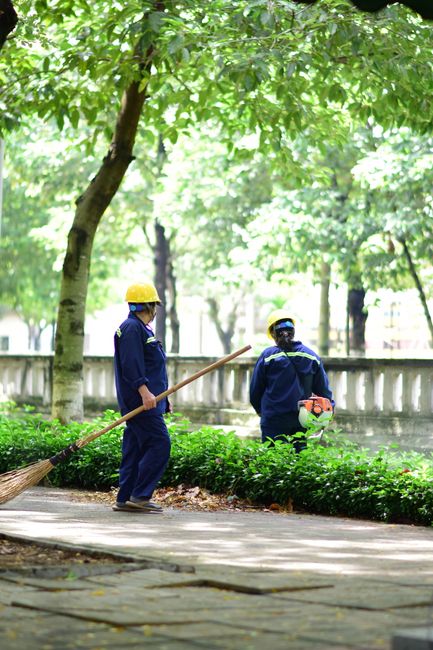
What to know before hiring Camden gardeners
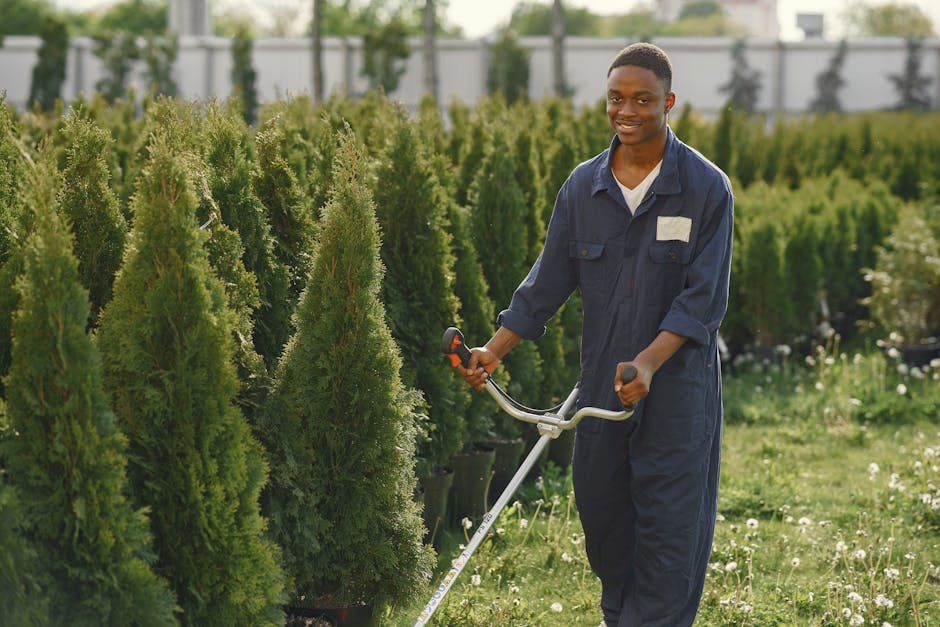
If you are thinking about booking Camden gardeners, it helps to know a little more than just who can turn up the fastest. A good garden job is rarely just "cut the grass and leave." It is about understanding your space, your priorities, access, waste removal, safety, and whether the work will still look good two weeks later when the weather has done its usual London thing.
Truth be told, hiring a gardener in Camden can be straightforward if you know what to look for. The tricky part is separating a tidy quote from a genuinely well-planned service. This guide covers what to know before hiring Camden gardeners, so you can compare options properly, avoid common mistakes, and feel confident about the people working in your outdoor space.
- Why it matters
- How the process works
- Key benefits and practical advantages
- Who this is for
- Step-by-step guidance
- Expert tips for better results
- Common mistakes to avoid
- Tools, resources and recommendations
- Law, compliance, standards and best practice
- Options, methods and comparison
- Case study or real-world example
- Practical checklist
- Conclusion
- Frequently asked questions
Why What to know before hiring Camden gardeners Matters
Outdoor space in Camden is often a bit of a balancing act. Some gardens are compact and shaded, some are split over levels, and some have more paving than planting. That means the right gardener is not always the one with the biggest van or the broadest promises. It is the one who understands your garden as it actually is.
Hiring without checking the essentials can lead to awkward surprises: unclear pricing, missed waste removal, overcut lawns, hedge work that leaves the garden looking too harsh, or a clearance job that turns into a messy half-finished day. And let's face it, nobody wants to spend Saturday morning chasing somebody for a quote that never quite made sense.
There is also the trust side. A gardener may be working around side access, neighbour boundaries, sheds, decking, and sometimes fragile planting that has taken years to establish. If they are careless, the damage can be expensive and frustrating. If they are prepared, the whole job feels calm, efficient, and surprisingly easy.
For many homeowners, landlords, letting agents, and small businesses, the real value is not just the visible result. It is knowing the work was handled properly from the start. That includes discussing scope clearly, agreeing what happens with green waste, and making sure you are not comparing apples with pears when you look at quotes.
How What to know before hiring Camden gardeners Works
Hiring Camden gardeners usually starts with a simple conversation, but the best results come from being specific early. Instead of saying "the garden needs doing," it helps to describe exactly what is happening: the lawn needs regular mowing, the hedge is overdue for trimming, the border is overgrown, or you want a one-off garden clearance before a move.
A sensible process normally looks like this:
- Describe the job clearly. Mention the size of the garden, the condition it is in, access points, and any awkward areas.
- Ask what is included. Does the quote cover labour only, or also waste removal, materials, and disposal?
- Check the service type. Some gardeners focus on recurring maintenance; others are better suited to landscaping or heavier clearance work.
- Confirm timing. A small regular visit is very different from a larger one-off project that may need more planning.
- Review the practical details. Think about parking, access, pets, neighbours, and whether there is anywhere for cuttings and debris to be stacked temporarily.
- Agree the outcome. A good gardener should be able to explain what the space will look like when the work is finished.
If you are comparing different providers, it also helps to look at the wider service range. For example, a company offering garden maintenance, lawn mowing, hedge trimming, and garden clearance is often better placed to handle mixed jobs than someone who only does a single task well.
One useful rule of thumb: if the quote is short but the job is complicated, ask more questions. A detailed garden job should be described in detail. That is not fussiness. It is just sensible.
Key Benefits and Practical Advantages
Hiring the right gardener is about more than appearances, although that first tidy-up feeling is lovely. You step outside, the air smells fresh again, and suddenly the whole place feels less like a task and more like a home. Small change, big effect.
Here are some of the most practical advantages:
- Better long-term garden health. Regular care helps lawns, hedges, and borders stay manageable instead of becoming rescue projects.
- More predictable costs. Clear scope means fewer surprises and fewer "while we were here" misunderstandings.
- Less disruption. A professional approach tends to be quicker, tidier, and less stressful for you and your neighbours.
- Safer working practices. This matters especially for heavier jobs such as tree work, high hedges, or large clearances.
- Better use of space. Skilled gardeners can make a small Camden garden feel far more usable without overcomplicating it.
- Advice that saves time later. Sometimes the best outcome is not extra work, but a simple recommendation that prevents future problems.
For bigger transformations, the benefits become even clearer. If your garden needs structural changes, new planting layouts, or hard landscaping, choosing a team with experience in landscape gardening or landscaping can make the difference between a space that merely looks neat and one that actually works for daily life.
And yes, good work can be quiet work. Not flashy. Not overdone. Just solid, clean, and the kind of improvement you notice every time you open the back door.
Who This Is For and When It Makes Sense
This topic matters to a lot of people, not just homeowners with a full-size back garden. Camden properties come in all shapes and levels of maintenance, and the need for professional help changes over time.
You may be in the market for a gardener if you are:
- a homeowner who wants regular upkeep without spending every weekend outside with shears and a rake;
- a landlord or letting agent preparing a property between tenancies;
- a busy professional who wants the garden presentable but does not have the time for frequent DIY maintenance;
- someone recovering from illness, injury, or a busy life stage and needing reliable help;
- an owner of a neglected or overgrown garden that now needs a proper reset;
- a property manager dealing with communal or shared outdoor areas.
It also makes sense when the job is more specialised than it first appears. For example, a hedge may look like a simple trim, but once it is tall, awkward, or close to a boundary, it becomes more than a quick tidy. Likewise, a "bit of grass cutting" can become much easier if there is a stable routine through a proper maintenance plan.
If the garden is heavily cluttered, tangled, or full of old waste, you may need clearing before any real maintenance can begin. In those cases, the difference between maintenance and garden clearance is worth understanding. They solve different problems. That sounds obvious, but people mix them up all the time.
Step-by-Step Guidance
Here is a practical way to go from first enquiry to finished work without the usual confusion.
1. Walk the garden first
Look at what actually needs attention. Is it mainly cutting back, or are you dealing with rubbish, self-seeded growth, broken planters, or a lawn that has gone patchy? A five-minute walk-through before you contact anyone will help you explain the job properly.
2. Separate urgent tasks from desirable extras
Write down what must be done now and what can wait. For example, a dangerous branch or a blocked access path is urgent. Replanting a border or adding decorative features may be a later phase. This keeps the quote realistic and makes the job easier to schedule.
3. Ask for a clear scope of work
Ask what the gardener will do, what they will not do, and how long the job is expected to take. If there is hedge work, lawn work, and general tidy-up, make sure each part is understood. The more mixed the job, the more important this becomes.
4. Check access and waste handling
Camden streets can be tight, and many gardens have narrow side access or awkward rear entry. Tell the gardener about steps, gates, locked entrances, or shared access. Also ask what happens to cuttings, soil, branches, and general green waste. If disposal is included, get that confirmed early.
5. Compare like for like
One quote may look cheaper because it excludes waste removal or limits the amount of work. Another may include a more complete service. Compare the detail, not just the headline number. That is where a lot of people get caught out.
6. Confirm the finish standard
This is a small but important point. Do you want a light tidy, a hard reset, or an ongoing maintenance finish? A tidy border can still look wild if the expectations were different. Say what "done" means to you.
7. Review after the first visit
After the first job, step back and look at the result in daylight. Was the work neat? Was the waste removed? Did the garden feel easier to manage afterwards? The first visit tells you a lot about how the relationship will go.
Expert Tips for Better Results
Here are a few practical tips that tend to make the biggest difference. Nothing glamorous. Just the stuff that saves time and avoids stress.
- Take photos before you enquire. A few clear pictures help explain the scale and condition of the garden better than a vague description ever will.
- Ask about seasonality. Some work is best done at specific times of year, especially hedge cutting, pruning, and lawn recovery.
- Choose the right service type. A one-off tidy is not the same as regular lawn care or a landscaping project.
- Think about the next three months, not just today. A garden that looks fine now may need follow-up visits to stay manageable.
- Keep communication practical. A clear text message or email with photos and measurements is often better than a long, vague conversation.
- Ask for recommendations if you are unsure. A decent gardener will tell you when something is unnecessary, which is refreshing, really.
If you are considering bigger improvements, such as a new seating area, sleeper borders, or decking, it may be worth discussing decking services alongside the general garden plan. Small changes in layout can make a tight outdoor space much more usable without turning it into a building site.
One more thing: if the job sounds easy but involves height, heavy lifting, or power tools, do not downplay it. Better to mention the awkward bit upfront than have everybody discover it halfway through. That never ends well.
Common Mistakes to Avoid
Most hiring mistakes are not dramatic. They are small, ordinary oversights that snowball later. Here are the ones worth watching for.
- Choosing only on price. Cheap can be fine, but only if you know what is included.
- Not defining the scope. "Tidy the garden" means different things to different people.
- Forgetting waste removal. Clippings and branches need a plan, especially after heavier work.
- Ignoring access issues. A good quote can unravel quickly if the team cannot reach the back garden easily.
- Assuming every gardener does every task. Some are brilliant at routine maintenance but less suited to larger clearance or structural work.
- Skipping the follow-up question. If something is unclear, ask. Honestly, a two-minute question can save a two-hour headache.
Another common slip is not checking how the company handles safety and insurance. If someone is using ladders, cutting equipment, or working near shared boundaries, that matters. The same is true for jobs involving larger trees or overgrown branches, where tree lopping and removal may be required rather than a quick trim.
And do not forget timing. Many people leave garden work until the space is already too messy to enjoy. That is fine, of course, but it can make the job more involved and therefore more expensive. A little regular maintenance usually goes a long way.
Tools, Resources and Recommendations
You do not need to be a gardening expert to hire well, but a few simple resources help a lot.
- Phone photos: useful for showing access points, problem areas, and how much material needs clearing.
- Basic measurements: rough lawn size, hedge length, or the number of beds can make quotes more accurate.
- A short priority list: ideal if you want a mix of tidy-up, maintenance, and future improvements.
- A notebook or notes app: handy for recording what the gardener said would be included.
- Your calendar: especially if you want repeated visits, seasonal work, or a phased project.
It can also help to review the company's wider information pages if they are available. For example, you may want to read about the business approach on about us, understand how the team presents its working standards through the services overview, or check how quotes are explained on pricing and quotes.
If sustainability matters to you, look for practical signs that waste is handled carefully and materials are reused or disposed of responsibly. A page such as recycling and sustainability can give useful reassurance about how garden waste and materials are treated. Not every project needs a deep environmental discussion, but it is nice to know the basics are in order.
For smooth booking and payment, it is also worth reading payment and security. Simple, transparent processes are usually a sign that the rest of the service is organised too.
Law, Compliance, Standards, or Best Practice
Garden work is not usually highly regulated in the way some trades are, but that does not mean standards do not matter. In practice, good Camden gardeners should work with care, communicate clearly, and treat safety seriously.
For more involved jobs, best practice usually includes:
- reasonable site safety measures when tools, ladders, or cutting equipment are used;
- clear agreement on waste handling so the customer understands what leaves the site and what stays;
- care around boundaries and access, especially in shared or compact urban gardens;
- appropriate insurance cover where the work involves a degree of risk;
- respect for neighbours and shared spaces, including noise, access, and tidy working practices.
It is also sensible to ask whether the provider has a written approach to safety and insurance. A page such as insurance and safety can help show how a company thinks about risk, while health and safety policy may give a clearer picture of its operating standards. You do not need a law degree for this. Just enough reassurance to know somebody takes the job seriously.
Where complaints or follow-up concerns matter, it is also helpful to know whether there is a documented process. That kind of structure is usually a good sign. It means the business has thought about service quality, not just the first visit.
Options, Methods, or Comparison Table
Not every outdoor job needs the same type of gardener. The table below gives a simple way to think about common options.
| Service type | Best for | What to check before booking | Typical risk if you choose the wrong fit |
|---|---|---|---|
| Regular garden maintenance | Ongoing lawn, hedge, border, and tidy-up care | Visit frequency, scope, and seasonal tasks | The garden slowly gets out of control again |
| One-off garden clearance | Overgrown, cluttered, or neglected gardens | Waste removal, access, and disposal details | Half-cleared space and unexpected extras |
| Hedge trimming or cutting back | Neat boundaries and shape maintenance | Height, width, access, and finish standard | Too much removed or an uneven result |
| Lawn mowing | Simple but repeatable lawn care | Frequency, grass condition, and edging | Patchy appearance or missed detail at the edges |
| Landscaping or landscape gardening | Layout changes, improved use of space, new features | Materials, timescale, and design expectations | A space that looks planned on paper but not in reality |
If you are unsure where your job fits, that is actually common. A small front garden in Camden might only need mowing and hedge work, while a rear courtyard may need clearance first, then maintenance, then a more considered design refresh. There is no prize for forcing the wrong service into the wrong job.
Case Study or Real-World Example
Here is a simple example from a very typical Camden scenario. A homeowner notices the back garden has become difficult to use over the spring and early summer. The lawn is long, the hedge is spilling over, and the side return has collected old pots, broken trellis, and a few bags of general clutter that have been "waiting for later" for far too long.
At first glance, they think they need one quick tidy. But after a proper conversation, it becomes clear the garden needs two stages. First, a clearance to remove the waste and open up the space. Then, a maintenance visit covering mowing, hedge trimming, and a general reset. In a case like that, trying to squeeze everything into one vague booking would probably have caused confusion.
What made the difference? Clear photos, a simple priority list, and a realistic understanding of what the garden needed at that point in time. The result was not glamorous. Just practical, tidy, and much easier to enjoy on a warm evening. The kind of space where you can actually hear the birds again instead of staring at a pile of cuttings.
That is usually the lesson with garden hiring: the best results come from matching the right service to the right stage of the job.
Practical Checklist
Use this checklist before you book anyone.
- Have I clearly described the work that needs doing?
- Do I know whether this is maintenance, clearance, landscaping, or a mixed job?
- Have I checked what is included in the quote?
- Have I asked about waste removal and disposal?
- Do I know how the team will access the garden?
- Have I mentioned steps, gates, parking, or shared entrances?
- Do I understand the expected finish level?
- Have I reviewed safety and insurance information?
- Am I comparing like for like across different quotes?
- Have I checked whether a follow-up visit or seasonal maintenance will be needed?
If you can tick most of those off, you are in a much stronger position. Nothing fancy. Just good preparation.
Get a free quote today and see how much you can save.
Conclusion
Knowing what to know before hiring Camden gardeners makes the whole process easier, safer, and much more predictable. It helps you choose the right service, ask better questions, and avoid the small mistakes that turn a simple job into a frustrating one.
The best garden hire decisions usually come from clarity: what needs doing, what is included, how the work will be handled, and what the result should look like when the team packs up. If you get those parts right, the rest tends to fall into place. Not always perfectly, because real gardens are a bit messy and life is busy, but well enough to feel good about it.
Whether you need regular care, a one-off clearance, hedge trimming, mowing, or something more ambitious, the key is to treat the job as a proper decision rather than a quick fix. That small bit of thought up front can save a lot later. And when the garden finally feels calm again, you will be glad you took the time.
Frequently Asked Questions
What should I ask before hiring a Camden gardener?
Ask what is included, how waste is handled, whether the quote is fixed or estimated, what access they need, and whether the job is best treated as maintenance, clearance, or a larger landscaping project.
How do I know if I need garden maintenance or garden clearance?
If the garden is mainly overgrown but still broadly manageable, maintenance may be enough. If it is cluttered, heavily neglected, or full of old waste, clearance usually comes first.
Should I choose the cheapest quote?
Not automatically. The cheapest quote can be fine, but only if it includes the same work, waste removal, and finish standard as the others. Compare detail, not just price.
Do Camden gardeners usually remove green waste?
Many do, but not always in the same way or at the same cost. Always check whether disposal is included before the job starts.
How often should I book garden maintenance?
That depends on the size of your garden and how quickly it grows back. Some people need monthly visits, while others only need seasonal support or occasional visits.
What if my garden is awkward to access?
Tell the gardener early. Narrow side passages, steps, locked gates, and shared access can affect timing, equipment choice, and price.
Can a gardener help with hedge trimming and lawn mowing in the same visit?
Yes, very often. In fact, combined visits are common and can be more efficient than booking separate appointments for each task.
When should I consider landscaping instead of simple gardening?
If you want to change the layout, add new surfaces, improve drainage, or create better use of the space, landscaping or landscape gardening may be more suitable than routine maintenance.
Is it normal to ask about insurance and safety?
Yes, absolutely. It is sensible to ask, especially for larger jobs or anything involving ladders, cutting tools, or tree work.
What happens if I am not happy with the work?
Check whether the company has a complaints procedure or a clear follow-up process. Raising concerns promptly and clearly is the best approach.
Can I combine garden work with decking or other improvements?
Yes, if the provider offers those services and the garden is ready for that stage of work. It is often better to sequence the job properly rather than rush into everything at once.
What is the best way to get an accurate quote?
Send photos, explain the job in plain language, mention access issues, and be honest about what you want done. The more specific you are, the more accurate the quote is likely to be.
If you are still comparing options, take your time. A good gardener is not just someone who can work fast; it is someone who understands what your garden actually needs and leaves you feeling relieved, not rushed. That matters more than people think.